
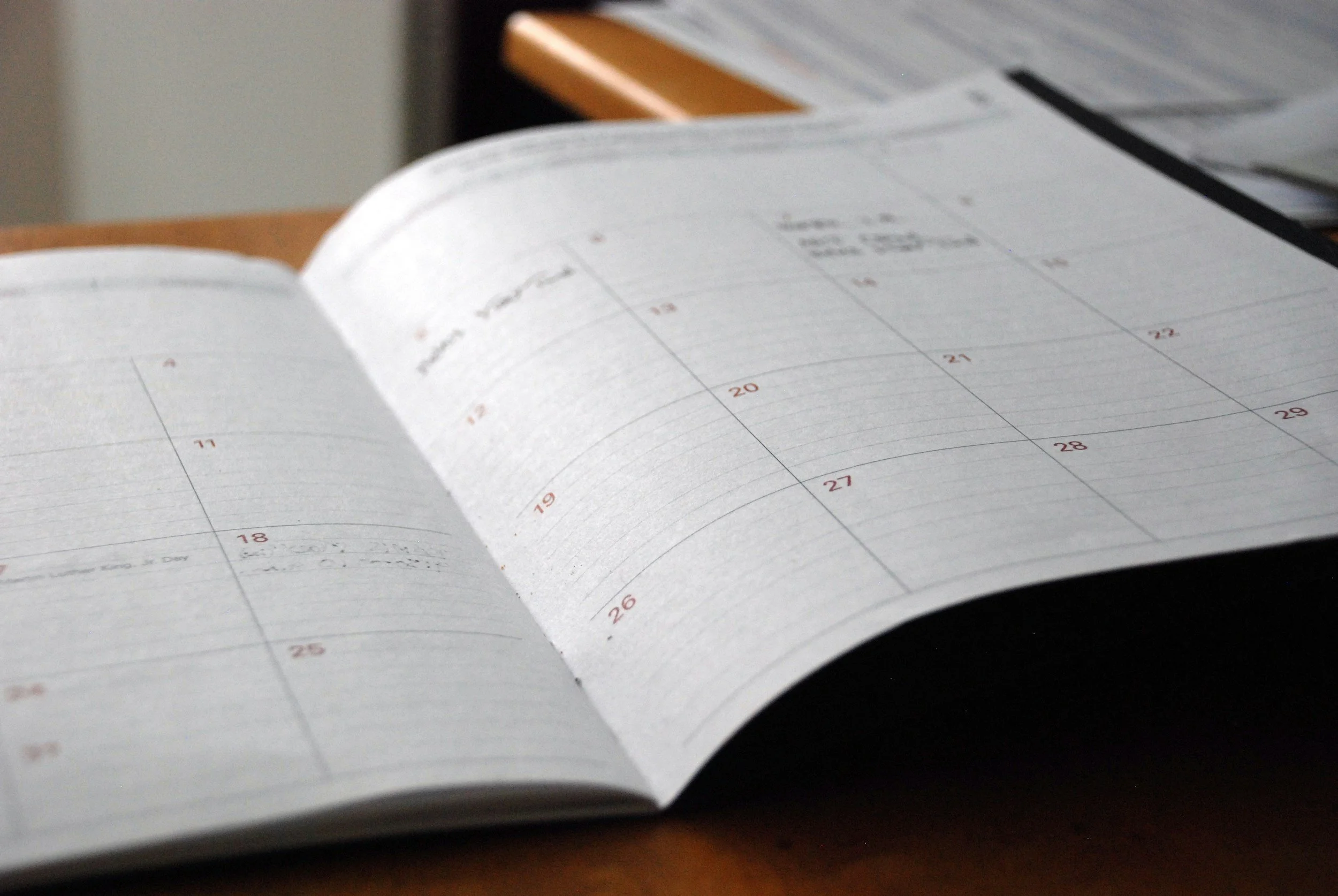
How long it takes depends on how much you own, more than on the size of your home. Most KonMari® consultants plan 30 hours or more for a whole home, in sessions of 3 to 5 hours each. For one or two people in a one-bedroom apartment, I usually plan 6 sessions, one every two weeks, over about three months. A family home often takes more.
In Tokyo, letting things go also takes calendar time. So if you have a moving date, start about three months ahead. I'm a KonMari® consultant in Tokyo, and here is how the time adds up.
How many sessions does a whole home take?
The KonMari Method® goes by category, not by room. There are five: clothes, books, papers, komono (everything else, from kitchen items to cables), and sentimental items. You gather everything in one category from the whole home, then decide what to keep.
For one or two people in a one-bedroom, my plan usually looks like this:
Clothes: 1 session
Books: 1 session
Papers: 1 session
Komono: 2 sessions, because it covers so much of the home
Sentimental items: 1 session
This changes from person to person. If you have very few books, we may finish books and papers on the same day. If you have a lot of kitchen items, komono may need a third session.
Other KonMari® consultants give similar numbers. One recommends at least 6 sessions. Another says most clients finish in 5 to 15. One plans 20 five-hour sessions over six months for a large home.
What makes it take longer, or shorter?
Three things matter most:
How much you own. A bigger home is not always slower. A small apartment full of things can take longer than a large, sparse house.
How quickly you decide. Some people know right away. Others need to hold each item and think. Both are fine, but the second takes more time.
How much you do between sessions. If you can keep going on your own, you need fewer sessions.
What happens between sessions?
The time between sessions is part of the work. After each session, I give you a little homework. Usually it is one of two things:
Finish what we started. For example, the last few drawers of clothes. Papers and sentimental items often work well as homework, because they are easier to go through quietly on your own.
Let things go. Take bags to the right garbage day, book pickups, sell, or donate.
In Tokyo, letting go takes calendar time, not just effort:
Large items (sodai gomi) need a pickup booked with your ward. The booking is often a few weeks out.
Air conditioners, TVs, fridges and washing machines can't go out as sodai gomi. By law, a store or licensed company has to collect them, for a fee.
Each type of garbage has its own collection day, so a big clear-out takes several weeks of garbage days.
This is why two weeks between sessions works well. There is enough time to clear out what you decided, before the next category begins.
For where to take things in Tokyo, see my Tokyo Resource Guide.
When should I start before moving day?
If you can, start about three months before your move. That gives you time for all five categories, the sodai gomi bookings, and a calm last few weeks.
If you have less time, it can still work. Meet more often, and keep the last two weeks for pickups and packing. Moving companies also charge by how much you move, so every box you let go of before moving day is one you don't pay to carry. For the first steps, see I'm moving soon in Tokyo. Where do I even start decluttering?
Whatever the timeline, the KonMari Method® is meant to be done in one set period, not a little every day forever. It has a clear end.
If you'd like help planning your timeline around a move, I work in person across central Tokyo, in English or Japanese. See how the 120-day program works. If your move is soon, we can meet more often and finish sooner, as long as you have time for homework between sessions.
